Holi, commonly referred to as the “Festival of Colors,” is considered to be one of the most colorful and important celebrations around the world. Holi is usually observed in the month of March all over India and by the Indian communities around the world. This is a celebration of the arrival of spring and all the new life, growth, and good changes that it brings. It is an opportunity for all ages to be a part of celebrating the joy of life, unity, and existence itself. On the night before Holi begins, large bonfires are lit and everyone comes together to celebrate what Holi is all about: the celebration of good over evil. The flames represent the removal of all negative things, and this is done by the act of burning all that is “bad.” By doing this, we are reminded that we have a choice to be kind, honest, and have integrity with one another.
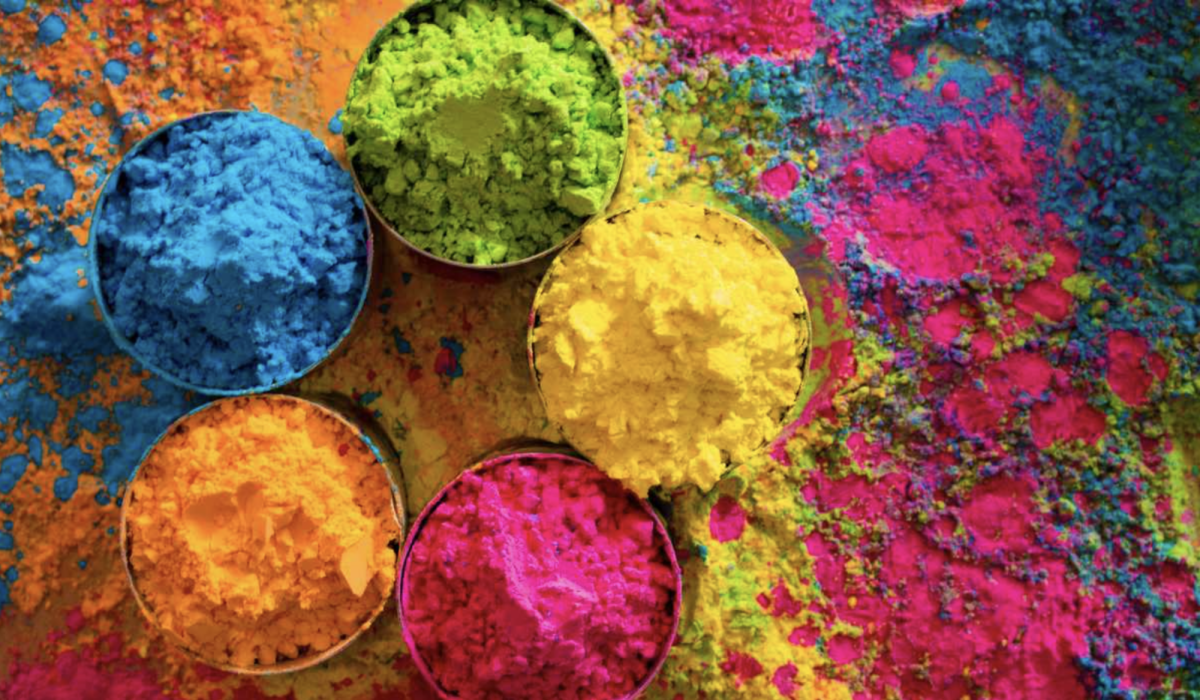
The second day of Holi is considered to be the most interesting part of Holi. This day is called Rangwali Holi, which means “the day of colors.” On this day, people come out into the open and celebrate Holi by throwing gulal on one another. Many vibrant colors like pink, yellow, green, blue, and purple are seen in the sky. On Holi, all the social boundaries that exist are ignored so that everyone can enjoy Holi. Families often make traditional food items to be enjoyed by friends and relatives as well. Gujiya is a traditional sweet pastry filled with different ingredients such as fruits and coconuts. Along with traditional food items, festive food and drinks are also enjoyed together as a family and among friends, thereby adding to the fun and enjoyment.
While the celebrations of Holi may be about colors and having fun, the deeper meaning behind them is to give the participants the opportunity to forgive and forget any grudges they hold. Holi gives participants the opportunity to treat everyone equally and strengthen the bonds in their community with their friends, neighbors, and family members.
The festival of Holi is celebrated throughout the world. Holi gives participants the opportunity to learn about different traditions and helps create cultural awareness. While Holi may be about colors and having fun, the deeper meaning behind it is to celebrate life, love, and unity.